Yesterday Garth and I had the privileged of accompanying Ed Bernetich to a Blue Ribbon Schools Best Practices Workshop at Cisco. Joining the three of us via Cisco TelePresence video conferencing were close to forty people from around the country. Each group was in an identical conferencing room in their respective cities. Cisco’s system was amazing. HD video and superb sound made it feel like everyone was sitting in the same room. Other than representatives from Cisco and Blue Ribbon Schools, administrators from several Blue Ribbon Schools and Barbara Blake from the Disney Yes Institute joined us. Ed, Garth and my role in this meeting was to talk about how we are implementing technology in our classrooms. Ed is the principal whom hired Garth about nine years ago and gave him the freedom to see just what he could do in a 1-1 environment. The courage, trust and forward thinking that Ed instilled in Garth filtered down from Garth to myself while I was student teaching. I want to spend some space re-capping what several of the other people spoke about during the four-hour meeting.
Bart Teal, the president of Blue Ribbon Schools started the meeting by talking about the important “six points of education”. These points were (1) Technology vision; (2) Assessment/action plan; (3) Student Leadership; (4) Best Practices; (5) Teachers/school Districts; (6) Long-range thinking. Bart also talked about how students are the number one resources we have in education and schools need to listen to their students to help guide the path of their education. Bart talked briefly about Cisco’s role in the future of education. Cisco is in the background of most educational systems. Cisco equipment powers the internet connections, WiFi, tele-conferencing systems, etc that most of us take for granted when at school. Cisco is a much larger company than I had originally thought and they want to be more actively involved in how their technologies are being integrated into schools. As Bart spoke I was moved by his passion and work to help hundreds of school districts create real, long-range plans for positive change.
The next person to share their story of creating positive change was Eric Sprung. Eric is the principal at Birch Meadow Elementary School. Eric spoke a lot about how important student involvement was in his district. Eric helped bring students, parents and teachers together to talk about what was happening in the district. Eric said he was amazed at the perception these different groups had about school. The meetings he arranged between stakeholders opened the door for teachers to share their best practices with parents, gave parents the opportunity to discuss what they wanted to see their children to get out of school and most importantly it gave students a voice. Garth and I talk a lot about how vital it is to empower our students; Eric empowered his students. By giving his students a voice, Eric gave them ownership of school.
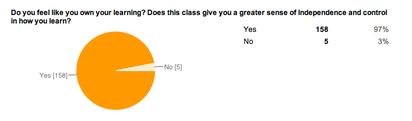
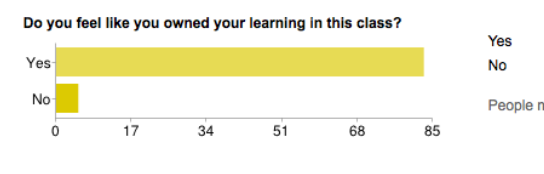
Another amazing educational leader that spoke about the importance of including all stakeholders was Renee Clayton of Celebration K-8 School in Florida. Renee spoke about the history of Celebration the town and the school. She talked about how it had become “just another school” when she got there. Renee and the leaders of Celebration School worked hard with Blue Ribbon Schools to create a long-range plan to make their school relevant to students. Renee spoke a lot about “perception being reality”. She said it was interesting to see how different stakeholders’ perceived Celebration School and how those perceptions, whether true or false, became the reality of what school was. Renee, an administrator had the quote of the day. She said, “I had to step away from the data and build a learning culture”. It was phenomenal to hear an administrator actually say that data was not helping to build the best school possible. Renee hit on an important point that mirrors the Middle School philosophy, it isn’t just about testing and data. We, as teachers and administrators need to create a learning environment where students feel comfortable enough to become autonomous learners. Students need to come to school and feel like they own their learning.
Rocky Sugar spoke after Garth and I talked about the student-created digital textbook, our combined classroom blog and the Middle Ages WebQuest. Rocky was gracious enough to compliment the work that Garth and I have been doing and even invited us down to Arizona to check out Casa Grande Union High School District. Rocky spoke very eloquently about the need for great leaders that embrace change. He brought up several good points, especially when he talked about the inability for great teachers to make great changes if their leadership do not actively embrace those changes. I also like that he ended his talk with this statement, “without change we are cheating our students”. Rocky gets it. He understands that education is broke and while we may not see the problems of our current system in the short-term, by the time our students graduate they may be so far behind that there is no way to catch them up before they enter the workforce or move into post-secondary education.
Barbara Blake from the Disney Yes Institute spoke about how through the education division of Disney they are able to create “3-D lessons” for students. What she meant was that the three-hour workshop the Yes Institute creates incorporate the Disney theme parks. Instead of just hearing about the Revolutionary period of American history, student can go and tour the sites and sounds of Frontier Land. Speaking along the same lines as Barbara was Akil Ross, principal of Chapin High School. Akil has helped facilitate classes that allow student to become leaders and use curriculum to bring solutions to modern day problems. Students at his high school take leadership classes their freshman year where they journal about standards and how “big concepts” can be seen in the world around them. As they progress from their sophomore to junior years students are given the space to freely create and brainstorm possible solutions to the problems that interest them. During their senior year students publish their findings. Think of it like a senior project on steroids.
All in all it was a valuable experience to sit and share/listen with so many leaders in educational change. Garth and I look forward to the opportunity to work with Blue Ribbon Schools and Cisco in the future.
-Mike
Bart Teal, the president of Blue Ribbon Schools started the meeting by talking about the important “six points of education”. These points were (1) Technology vision; (2) Assessment/action plan; (3) Student Leadership; (4) Best Practices; (5) Teachers/school Districts; (6) Long-range thinking. Bart also talked about how students are the number one resources we have in education and schools need to listen to their students to help guide the path of their education. Bart talked briefly about Cisco’s role in the future of education. Cisco is in the background of most educational systems. Cisco equipment powers the internet connections, WiFi, tele-conferencing systems, etc that most of us take for granted when at school. Cisco is a much larger company than I had originally thought and they want to be more actively involved in how their technologies are being integrated into schools. As Bart spoke I was moved by his passion and work to help hundreds of school districts create real, long-range plans for positive change.
The next person to share their story of creating positive change was Eric Sprung. Eric is the principal at Birch Meadow Elementary School. Eric spoke a lot about how important student involvement was in his district. Eric helped bring students, parents and teachers together to talk about what was happening in the district. Eric said he was amazed at the perception these different groups had about school. The meetings he arranged between stakeholders opened the door for teachers to share their best practices with parents, gave parents the opportunity to discuss what they wanted to see their children to get out of school and most importantly it gave students a voice. Garth and I talk a lot about how vital it is to empower our students; Eric empowered his students. By giving his students a voice, Eric gave them ownership of school.
Another amazing educational leader that spoke about the importance of including all stakeholders was Renee Clayton of Celebration K-8 School in Florida. Renee spoke about the history of Celebration the town and the school. She talked about how it had become “just another school” when she got there. Renee and the leaders of Celebration School worked hard with Blue Ribbon Schools to create a long-range plan to make their school relevant to students. Renee spoke a lot about “perception being reality”. She said it was interesting to see how different stakeholders’ perceived Celebration School and how those perceptions, whether true or false, became the reality of what school was. Renee, an administrator had the quote of the day. She said, “I had to step away from the data and build a learning culture”. It was phenomenal to hear an administrator actually say that data was not helping to build the best school possible. Renee hit on an important point that mirrors the Middle School philosophy, it isn’t just about testing and data. We, as teachers and administrators need to create a learning environment where students feel comfortable enough to become autonomous learners. Students need to come to school and feel like they own their learning.
Rocky Sugar spoke after Garth and I talked about the student-created digital textbook, our combined classroom blog and the Middle Ages WebQuest. Rocky was gracious enough to compliment the work that Garth and I have been doing and even invited us down to Arizona to check out Casa Grande Union High School District. Rocky spoke very eloquently about the need for great leaders that embrace change. He brought up several good points, especially when he talked about the inability for great teachers to make great changes if their leadership do not actively embrace those changes. I also like that he ended his talk with this statement, “without change we are cheating our students”. Rocky gets it. He understands that education is broke and while we may not see the problems of our current system in the short-term, by the time our students graduate they may be so far behind that there is no way to catch them up before they enter the workforce or move into post-secondary education.
Barbara Blake from the Disney Yes Institute spoke about how through the education division of Disney they are able to create “3-D lessons” for students. What she meant was that the three-hour workshop the Yes Institute creates incorporate the Disney theme parks. Instead of just hearing about the Revolutionary period of American history, student can go and tour the sites and sounds of Frontier Land. Speaking along the same lines as Barbara was Akil Ross, principal of Chapin High School. Akil has helped facilitate classes that allow student to become leaders and use curriculum to bring solutions to modern day problems. Students at his high school take leadership classes their freshman year where they journal about standards and how “big concepts” can be seen in the world around them. As they progress from their sophomore to junior years students are given the space to freely create and brainstorm possible solutions to the problems that interest them. During their senior year students publish their findings. Think of it like a senior project on steroids.
All in all it was a valuable experience to sit and share/listen with so many leaders in educational change. Garth and I look forward to the opportunity to work with Blue Ribbon Schools and Cisco in the future.
-Mike




 RSS Feed